Asphalt vs. Concrete: Which Is Better for Business Owners in South Lebanon, OH?
Choosing the right paving material is one of the most practical decisions a South Lebanon, OH, business owner can make in 2026. Maybe you manage a retail strip along US-42, an office park near Warren County's I-71 corridor, or a warehouse serving the broader Cincinnati metro area. In every case, your lot's surface affects your budget, your customers' first impression, and your long-term maintenance calendar. Here is a clear, factor-by-factor comparison to help you decide.
Upfront Investment: Which Material Costs Less to Install?
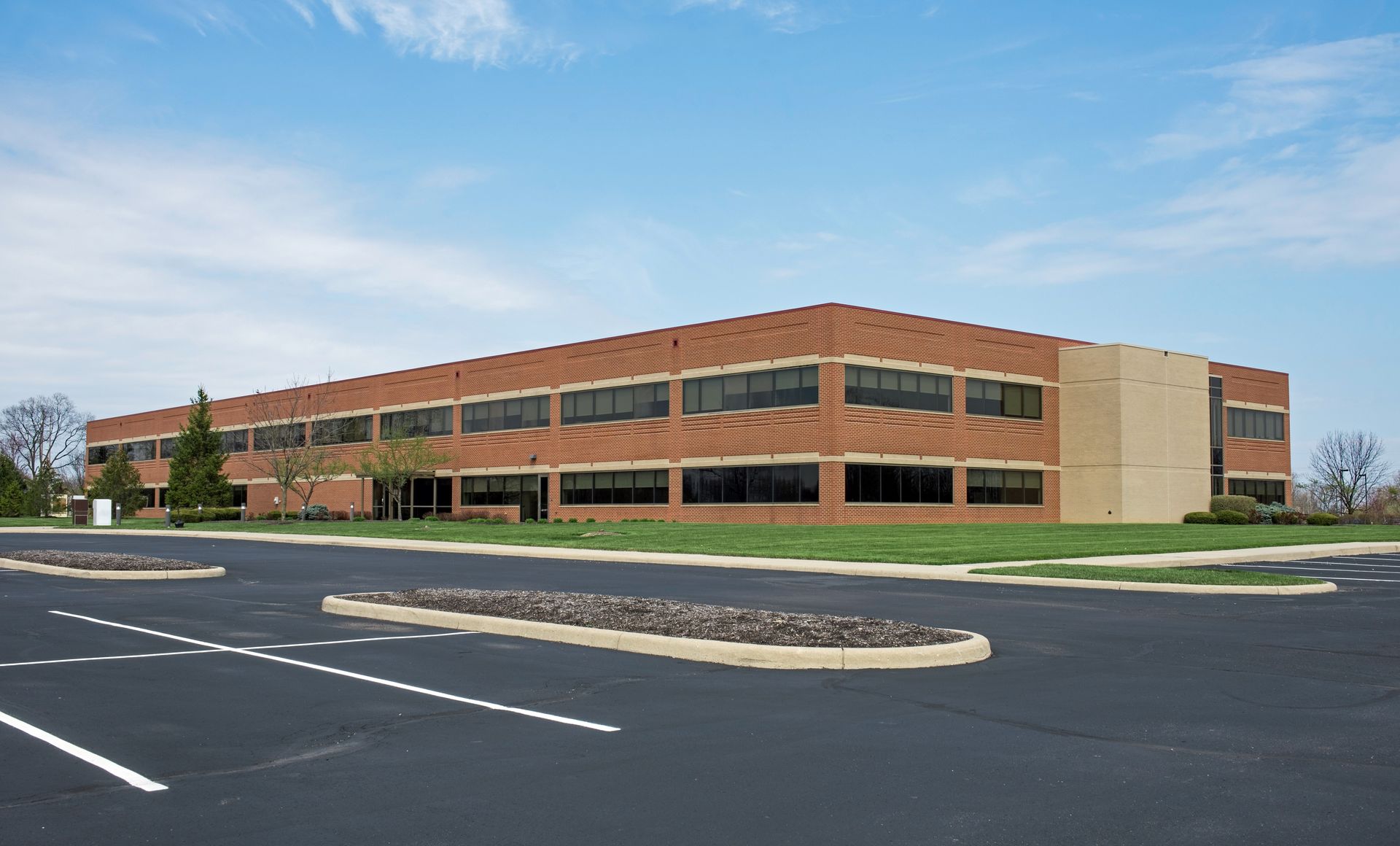
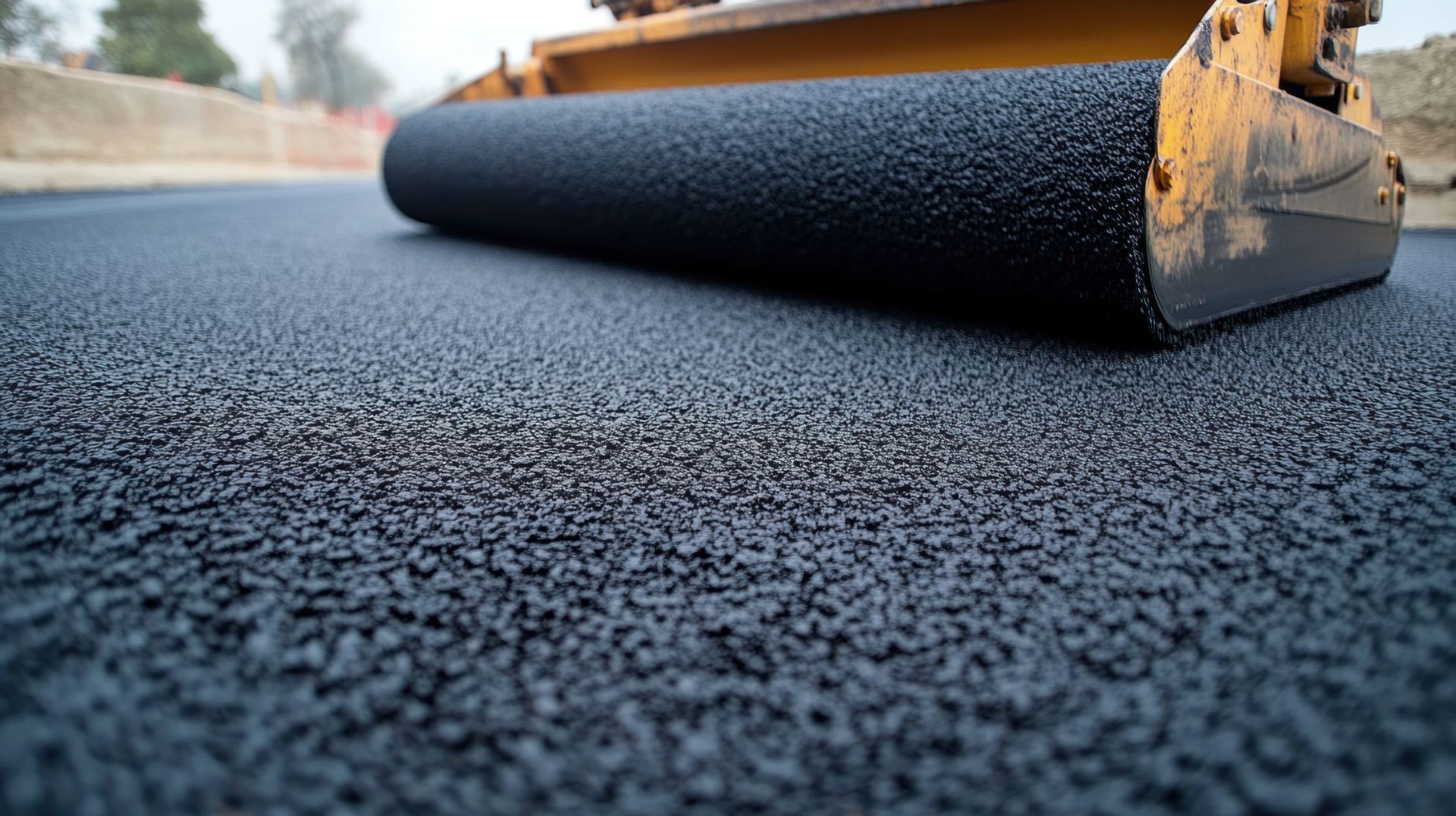
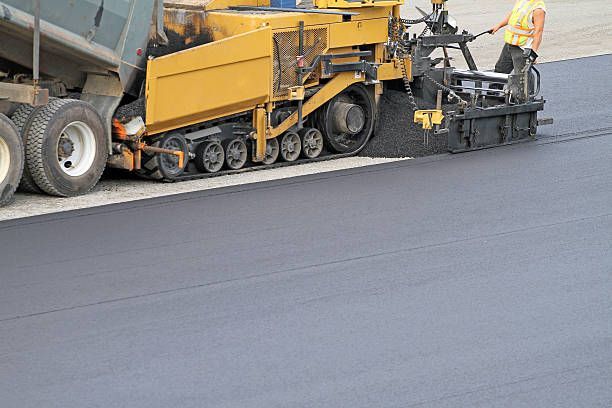
Asphalt generally requires a lower upfront investment than concrete, so a parking lot or commercial driveway project can move forward without stretching your capital budget. Concrete costs more to pour and finish, and longer cure times can disrupt operations for additional days. For South Lebanon businesses that need to minimize downtime on a busy commercial corridor, asphalt's faster installation and lower entry point are meaningful advantages. Always request a detailed estimate based on your specific lot size, drainage needs, and site prep conditions before committing.
Durability and Lifespan: How Long Will Each Surface Last?
Both materials can last for decades with proper care. Asphalt surfaces typically last 15 to 25 years, depending on traffic volume, installation quality, and maintenance. Concrete can last 30 or more years, but longevity depends heavily on proper installation and soil conditions.
In South Lebanon and the surrounding Warren County area, clay-heavy soils are common. Those soils can shift and settle, putting stress on rigid concrete slabs and leading to cracking. Asphalt's flexibility gives it a natural advantage here, since it can move slightly with the ground rather than fracturing under pressure. Business Asphalt Paving is particularly well matched to Warren County's soil profile for this reason.
Ohio's Freeze-Thaw Cycle: The Local Factor That Changes Everything
Warren County winters are a critical variable. The region experiences cold winters that regularly push below freezing and warm summers that climb into the mid-to-upper 80s, creating repeated freeze-thaw cycles every year.
When water seeps into small cracks, freezes, and expands, it widens those cracks fast. Concrete, being rigid, is especially vulnerable. Slab sections can heave, crack, or spall, and individual repairs are often more complex and expensive than patching asphalt.
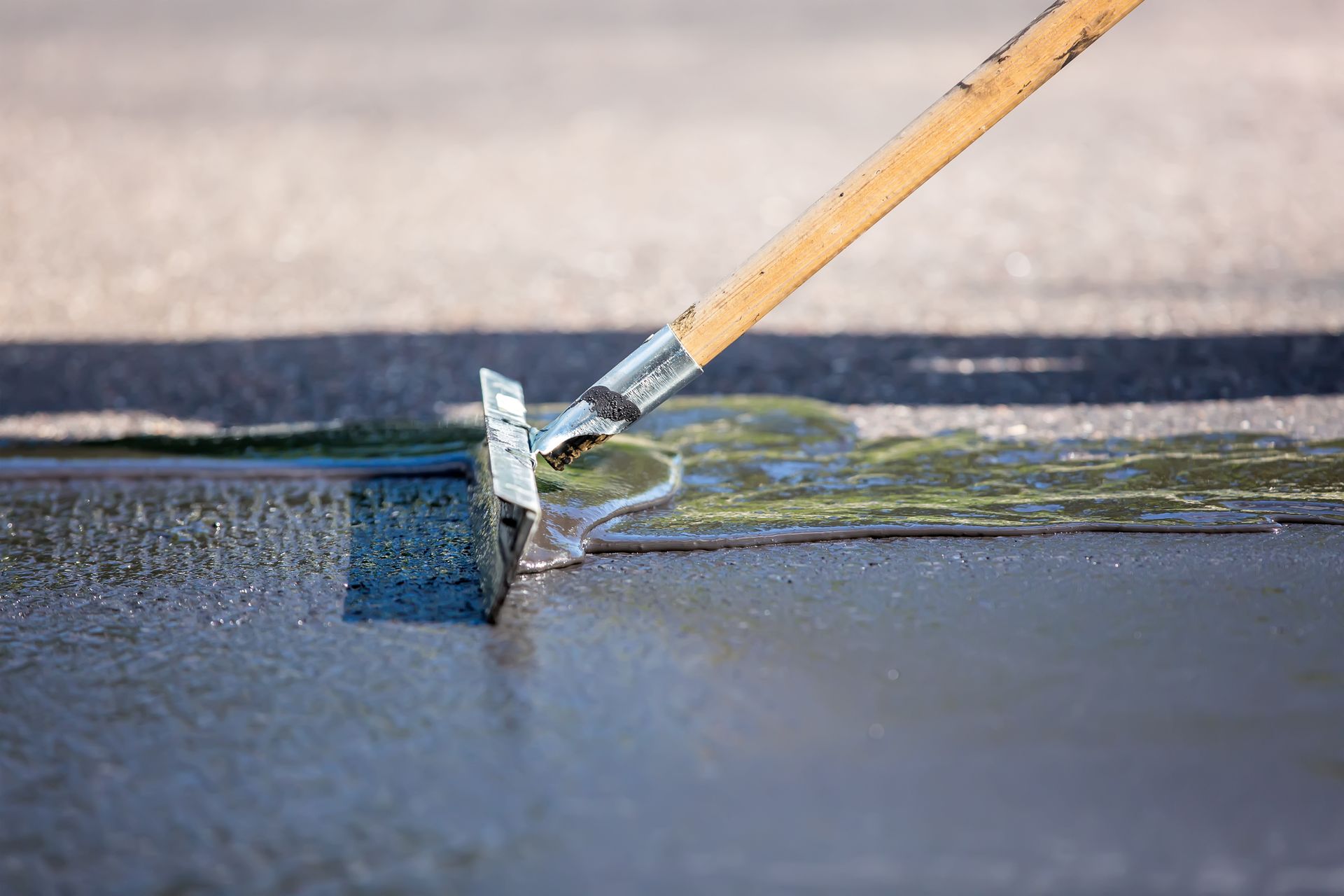
Asphalt's flexible composition allows it to absorb seasonal movement without failing as dramatically. Routine sealcoating before winter also blocks moisture from entering asphalt surfaces, making it a smart seasonal practice for any South Lebanon commercial property.
Ongoing Maintenance: What Does Each Surface Demand?
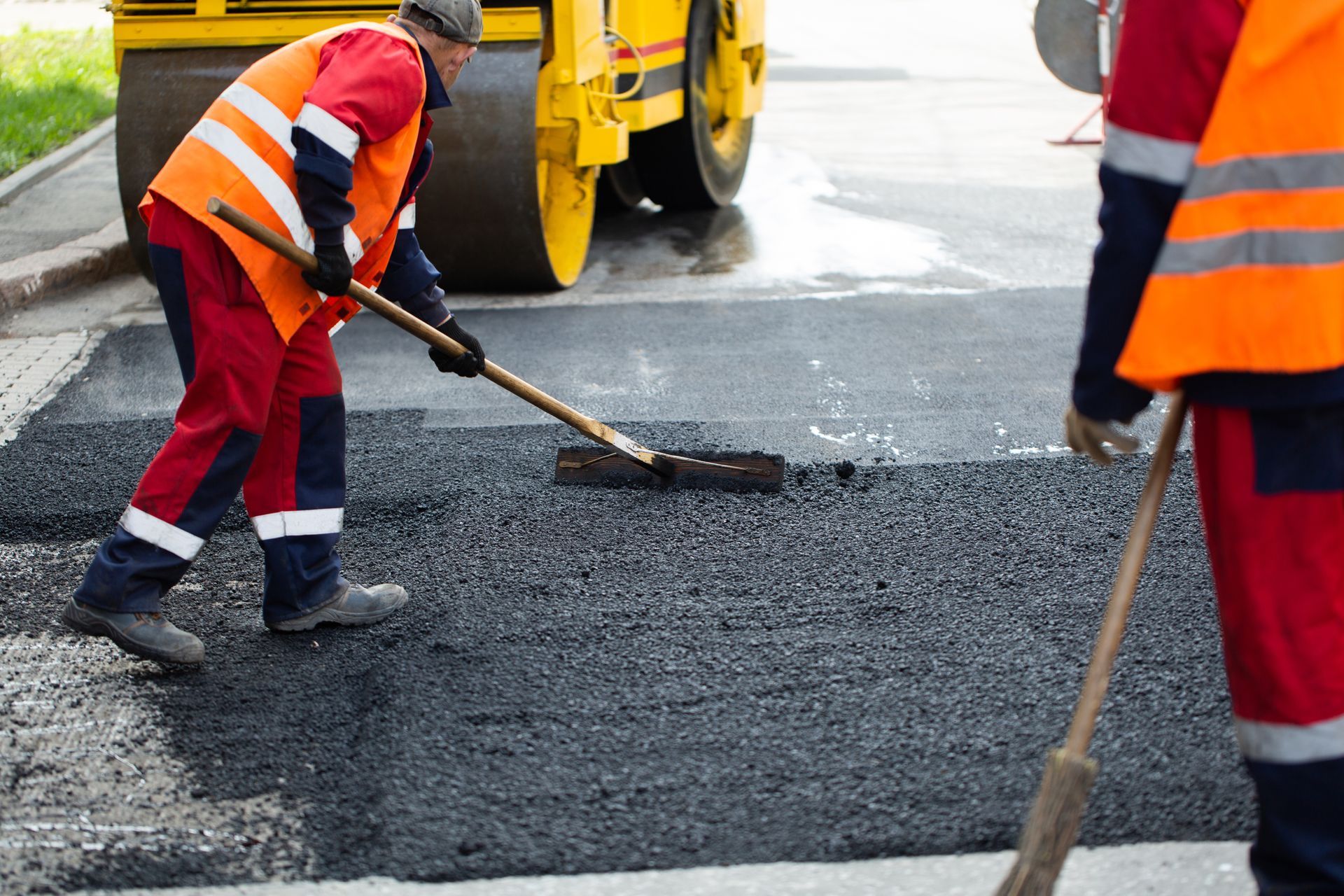
Asphalt requires more frequent maintenance than concrete, but each task tends to be simpler and less expensive. Sealcoating every few years, crack filling, and prompt pothole patching are the main recurring needs. Budget for these as part of your property operating costs.
Concrete maintenance is less frequent, but patched concrete rarely matches the original color and texture, which can affect curb appeal. For South Lebanon businesses where appearance matters, that inconsistency is worth considering. Business Asphalt Paving offers a more straightforward repair path that keeps commercial lots looking consistent year after year.
Best Use Cases for Each Material
Asphalt tends to be the stronger choice for:
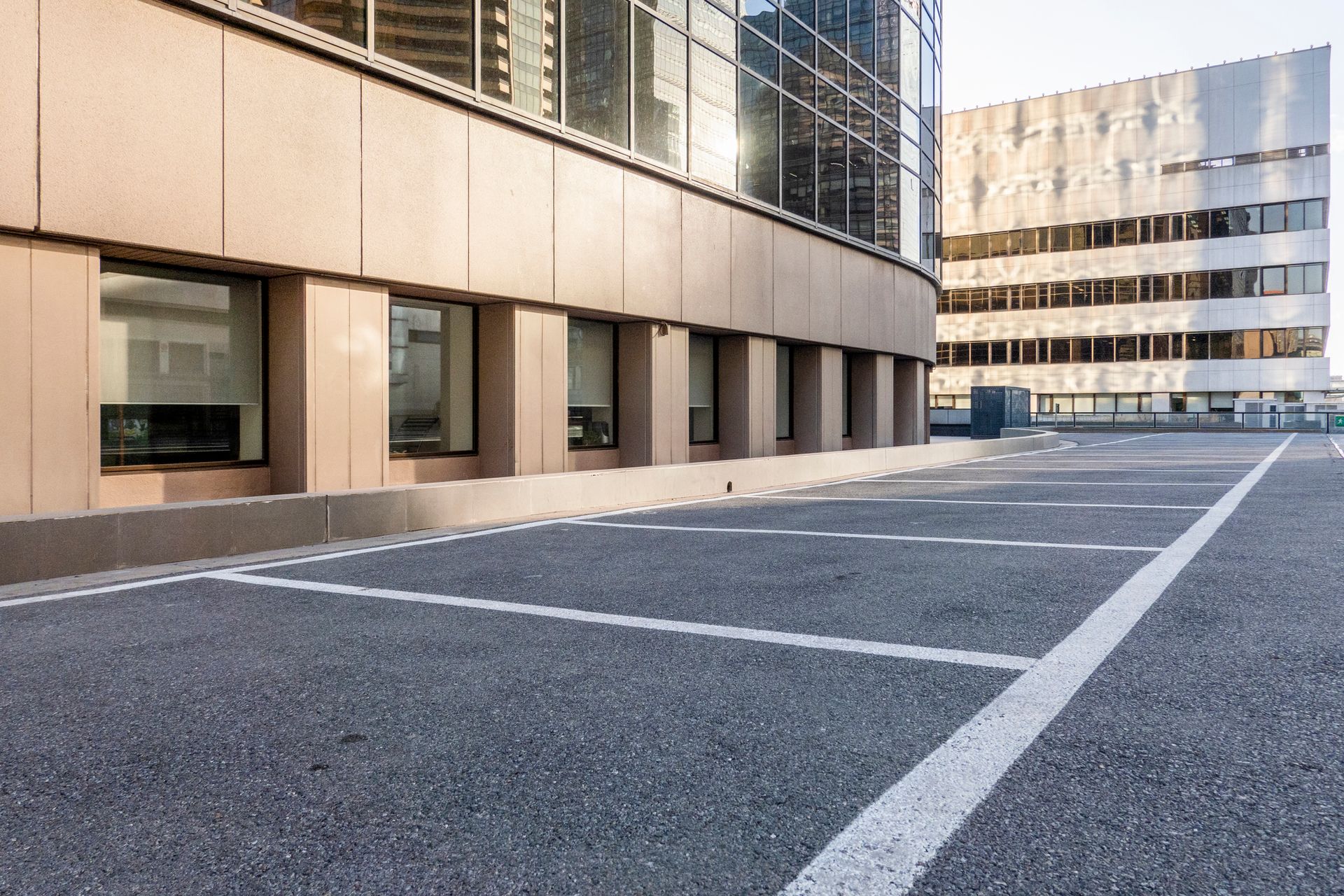
- High-traffic commercial parking lots, where flexibility and repairability matter most
- Properties in Warren County's clay-soil zones
- Businesses that want faster installation and a quicker return to normal operations
- Lots that need regular striping or resurfacing over the years
Concrete is worth considering for two situations: areas with very heavy concentrated loads, such as loading docks or dumpster pads, and projects where the longer lifespan justifies the higher upfront cost.
Many South Lebanon commercial properties use both: asphalt for main parking fields and drives, and concrete for specific high-load spots like trash enclosures or entry aprons.
Decision Matrix: A Quick Summary for South Lebanon Business Owners
| Factor | Upfront Cost | Installation Speed | Freeze-thaw Performance | Clay Soil Performance | Repair Ease | Lifespan (With Maintenance) | Maintenance Frequency |
|---|---|---|---|---|---|---|---|
| Asphalt | Lower | Faster | Flexible, handles cycles well | Adapts well | Simple patching | 15 to 25 years | More often, lower cost |
| Concrete | Higher | Slower | Rigid, can crack or heave | More vulnerable to shifting | More complex repairs | Up to 30-plus years | Less often, higher repair cost |
Which Is Right for Your South Lebanon Business?
For most Warren County commercial properties, business asphalt paving in South Lebanon, OH, offers the right balance of cost, performance, and practicality given local climate and soil conditions. If your priority is minimizing upfront spend, returning to business quickly, and having a surface that handles Ohio winters well, asphalt is likely your answer. If your project includes a high-load area, a concrete pad in that specific zone may complement an overall asphalt lot design.
The best decision comes from a professional site evaluation that accounts for your traffic patterns, soil conditions, drainage, and budget.
Ready to Pave? Talk to a Local Expert Serving South Lebanon, OH
If you are weighing asphalt vs. concrete for your commercial property, Affordable Paving Company can help you find the right answer for your specific situation. With over 40 years of experience serving Warren and Butler County businesses, the team brings local knowledge that matters when Ohio winters and clay soils are part of the equation.
Explore your
commercial paving options or
request a free estimate today. You can also call
(513) 420-0107 to speak directly with the team about your project.